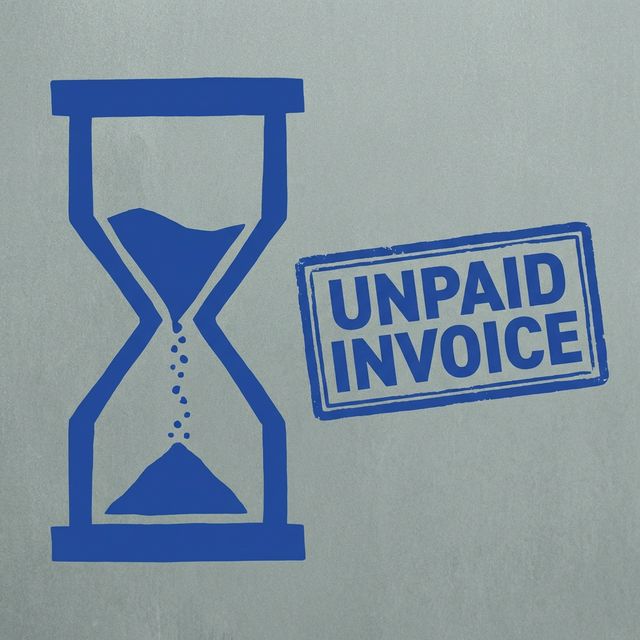
Freelancer Guide: Why Your Invoices Are Getting Paid Late
Discover the most common reasons clients delay payments and learn actionable strategies to get your invoices paid on time.
Are you tired of chasing payments?
As a freelancer, your time is literally your money. Every hour spent tracking down a late payment is an hour you aren't billing a new client.
If you find yourself constantly dealing with late invoices, the problem might not just be your clients—it could be your invoicing process. Here are the top reasons your invoices are being ignored and how to fix them.
1. You Sent It to the Wrong Person
In larger companies, the person who hired you (e.g., the Marketing Director) is rarely the person who pays you (Accounts Payable). If you simply email your invoice to your project contact, they might forget to forward it to the accounting team.
The Fix: When onboarding a new client, always ask: "Who should I send my invoices to for processing, and CC on the email?"
2. Missing Key Information
A 30-day payment term means the clock starts ticking when the client receives an actionable invoice. If you forget to include a P.O. Number, their tax ID, or clear payment routing details, the accounting department will pause processing until the issue is fixed.
The Fix: Use a standardized tool like Invoice Generator to ensure every required field is present on your document.
3. Non-Standard File Formats
Invoices should always be sent as PDFs. Do not send Word documents (which can be edited maliciously or accidentally) or Excel spreadsheets. A PDF is a universal, static format perfectly designed for archiving and printing.
4. Vague Line Items
Your client knows they owe you $1,500, but the accounting department needs to justify why they are cutting a check for $1,500. A line item that simply reads "Consulting Services" will trigger scrutiny and delays.
The Fix: Be specific. Write "Q3 Social Media Strategy Audit (15 hours at $100/hr) - May 24th to Jun 2nd."
5. You Have No Defined Payment Terms
If your invoice doesn't explicitly state "Due upon receipt" or "Net-15", the client will default to whatever their company's standard payout schedule is—which could be 30 to 60 days.
The Fix: Set clear expectations in your contract, and mirror those terms directly on the invoice document.
Take back control of your cash flow today by refining how you bill your clients.
More Posts
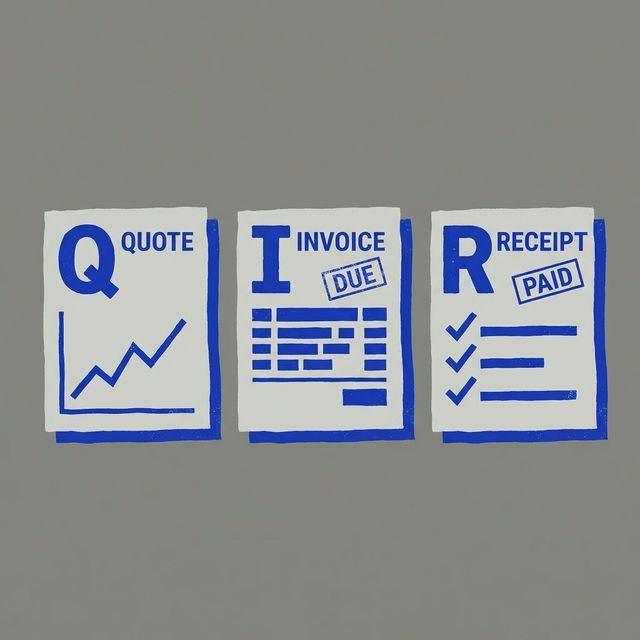
Quote vs. Invoice vs. Receipt: A Simple Guide
Confused about which document to send? Learn the difference between quotes, invoices, and receipts to handle your billing like a pro.
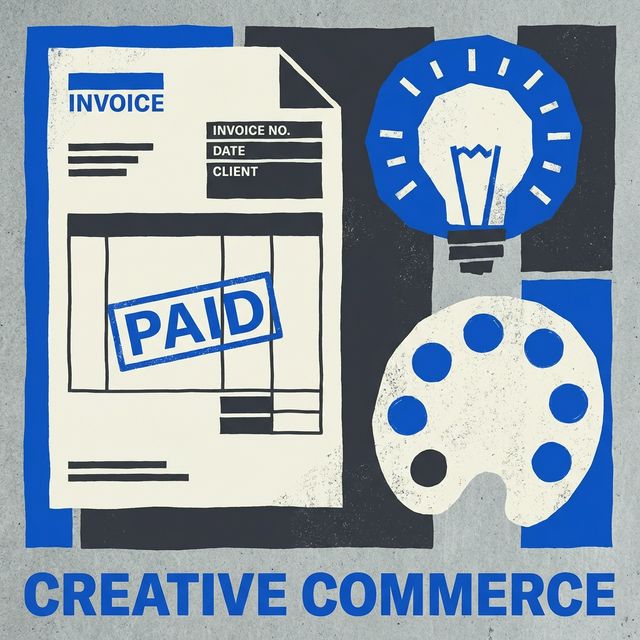
Brand Identity: Why Every Freelancer Needs a Custom Invoice Template
Your invoice isn't just a bill—it's a marketing touchpoint. Learn why branding your financial documents matters.

The Ultimate Guide to Creating Professional Quotations That Winning Bids
Learn how to use a free online quotation template to secure more clients, negotiate better terms, and design a winning business proposal.
Subscribe to our newsletter
Join the community
Get the latest updates and news directly in your inbox